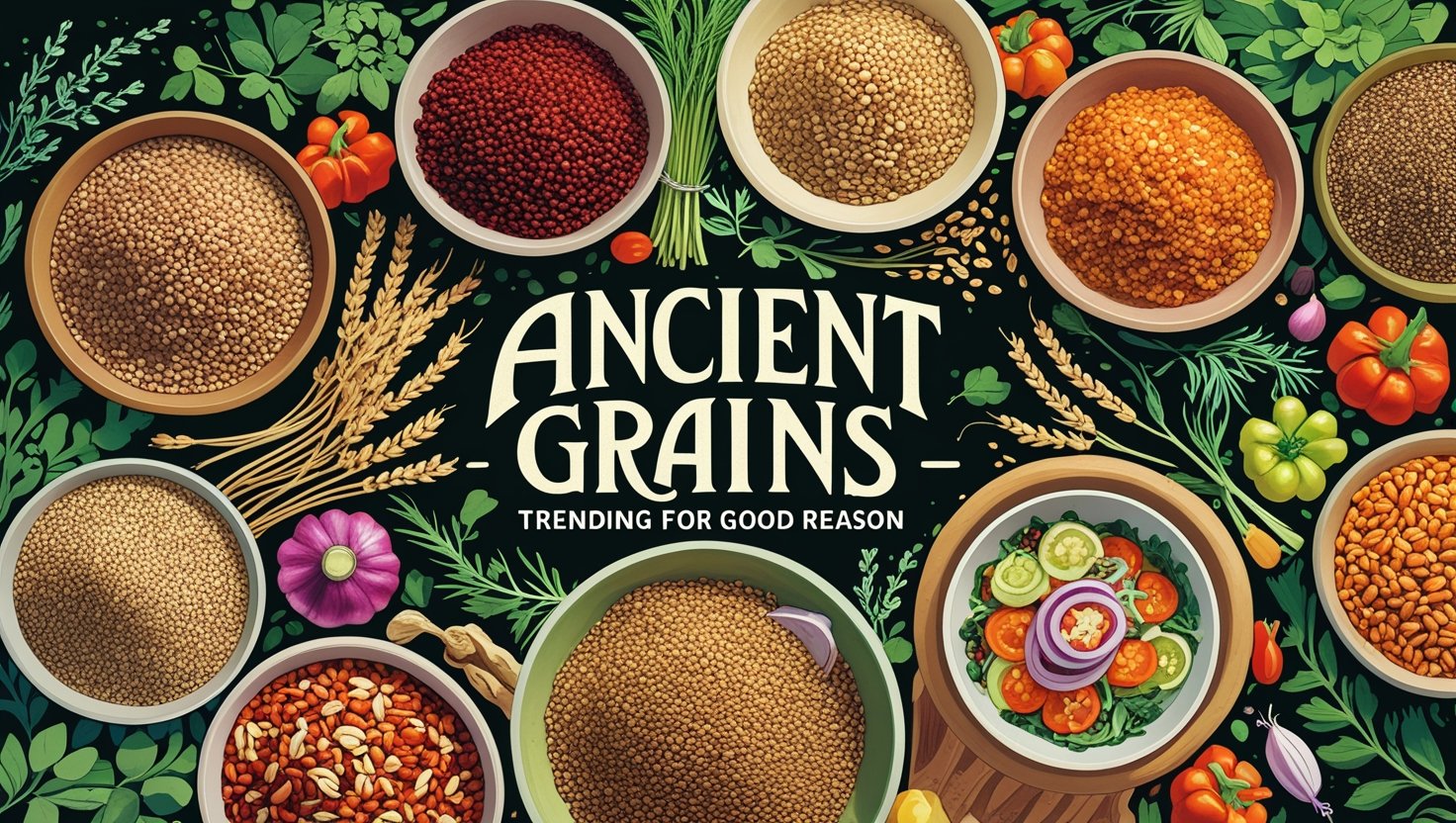
What if the key to better health was hiding in your grandmother’s pantry all along? While modern diets chase the latest superfoods, ancient grains are quietly reclaiming their throne as nutritional powerhouses that sustained civilizations for millennia.
Why Ancient Became Modern:
The shift toward ancient grains isn’t just another food fad, it’s a conscious return to nutritional wisdom. Market data shows ancient grains have gained unprecedented popularity due to their superior nutritional benefits, with nearly 75% of consumers planning to eat more ancient grains. This renaissance stems from a growing understanding that older doesn’t mean outdated when it comes to nutrition.
Ancient grains represent varieties that have remained largely unchanged for thousands of years, unlike their modern counterparts that underwent extensive hybridization. These time-tested treasures include quinoa, amaranth, spelt, teff, millet, and kamut – each carrying unique nutritional signatures that modern processing has failed to replicate.
The beauty of ancient grains lies in their genetic diversity. While modern wheat was bred primarily for yield and uniformity, ancient varieties developed natural resilience and concentrated nutrients. Research indicates these grains are more tolerant to environmental stresses and often contain higher protein, dietary fiber, bioactive compounds, and antioxidant activity.
Decoding the Nutritional Treasure Chest:
The nutritional superiority of ancient grains isn’t marketing hype, it’s biochemical reality. These grains pack a more diverse array of micronutrients compared to their modern relatives, offering what nutritionists call “nutrient density.”
The Protein Powerhouse Advantage:
Ancient grains deliver complete or near-complete amino acid profiles, making them exceptional plant-based protein sources. Quinoa stands out with all nine essential amino acids, while amaranth provides lysine – an amino acid typically scarce in grain-based foods.
Key protein benefits include:
- Enhanced muscle synthesis and repair
- Better satiety and weight management support
- Sustained energy release throughout the day
- Improved metabolic function
Fiber: The Digestive Game-Changer:
The fiber content in ancient grains surpasses most modern alternatives significantly. This isn’t just about digestive regularity, it’s about comprehensive health optimization.
Fiber benefits encompass:
- Prebiotic support for gut microbiome health
- Blood sugar stabilization and insulin sensitivity
- Cholesterol management and heart protection
- Enhanced nutrient absorption efficiency
Micronutrient Density Beyond Comparison:
Ancient grains contain concentrated levels of minerals often stripped away during modern grain processing. These grains are higher in omega-3 fatty acids, B vitamins, and zinc because they haven’t been refined, preserving their original nutritional integrity.
The Science Behind the Health Halo:
Modern research validates what ancient cultures knew intuitively, these grains offer remarkable health benefits that extend far beyond basic nutrition. Studies have demonstrated that ancient grains provide greater reduction in cardiovascular risk factors, improved digestion, and better blood sugar control.
Cardiovascular Champions:
Ancient grains excel at supporting heart health through multiple mechanisms. Their high fiber content helps reduce LDL cholesterol, while their mineral content supports healthy blood pressure regulation. The antioxidants present in these grains also combat inflammation – a key driver of cardiovascular disease.
Blood Sugar Stability Masters:
Unlike refined grains that cause blood sugar spikes, ancient grains provide steady glucose release. Their complex carbohydrate structure and fiber content create a more favorable glycemic response, making them valuable for diabetes management and prevention.
Anti-Inflammatory Warriors:
Chronic inflammation underlies many modern health challenges, from arthritis to heart disease. Ancient grains contain various compounds that help combat inflammatory processes, including phenolic acids, flavonoids, and other phytonutrients.
Beyond Gluten: The Digestive Liberation:
Many ancient grains are naturally gluten-free or lower in gluten, making them suitable for individuals with gluten sensitivities, with growing consumer demand driven by rising celiac disease awareness. This digestive compatibility extends beyond celiac disease to include non-celiac gluten sensitivity and general digestive wellness.
The Gluten-Free Gold Standard:
For those requiring gluten elimination, ancient grains offer superior alternatives to processed gluten-free products. Options include:
- Quinoa: Complete protein with nutty flavor
- Amaranth: Calcium-rich with earthy taste
- Buckwheat: Heart-healthy with robust flavor
- Millet: Alkalizing with mild, sweet taste
- Teff: Iron-dense with subtle molasses notes
Digestive Harmony Through Diversity:
Even gluten-containing ancient grains like spelt and kamut often prove more digestible than modern wheat. Their different gluten structures and lower hybridization may contribute to reduced digestive distress in sensitive individuals.
The Environmental Sustainability Edge:
Ancient grains aren’t just personal health champions, they’re environmental heroes too. The growing popularity stems partly from eco-friendly choices and curiosity about innovative flavors, despite higher costs.
Climate Resilience Champions:
These hardy grains evolved to thrive in challenging conditions, requiring fewer resources than modern varieties:
- Reduced water requirements
- Lower fertilizer and pesticide needs
- Better soil health preservation
- Enhanced biodiversity support
Crop Rotation Revitalization:
Ancient grains excel in crop rotation systems, improving soil health and reducing pest pressure. This agricultural wisdom supports sustainable farming practices while maintaining productive yields.
Genetic Diversity Preservation:
By choosing ancient grains, consumers support agricultural biodiversity. This genetic preservation protects food security against climate change and emerging agricultural challenges.
Flavor Profiles That Surprise:
The flavor diversity among ancient grains offers culinary excitement that modern grains can’t match. Each variety brings unique taste characteristics that can transform ordinary meals into extraordinary experiences.
Texture Transformations:
Ancient grains provide varied textures that add interest to meals:
- Quinoa’s light, fluffy bite
- Amaranth’s creamy, porridge-like consistency
- Teff’s fine, cake-like crumb
- Millet’s light, airy texture
- Farro’s chewy, satisfying bite
Flavor Adventures Await:
The taste profiles range from mild and neutral to bold and earthy, accommodating diverse palate preferences and culinary applications.
The Economic Revolution:
The ancient grains market is experiencing explosive growth with a CAGR of 38.1%, reflecting consumer shift toward healthier dietary choices. This economic momentum drives innovation, availability, and affordability improvements.
Mainstream Market Integration:
Due to increased demand for healthful diets, ancient grains have shifted from local and regional stores to supermarkets and hypermarkets. This accessibility revolution makes ancient grains more convenient for everyday consumers.
Innovation-Driven Products:
Food manufacturers are incorporating ancient grains into diverse products:
- Breakfast cereals and granolas
- Pasta and noodle alternatives
- Bread and baked goods
- Snack foods and bars
- Ready-to-eat meals
Practical Integration Strategies:
Incorporating ancient grains into daily meals doesn’t require culinary expertise or complete dietary overhauls. Simple substitutions and gradual integration can yield significant nutritional upgrades.
Breakfast Transformations:
Start mornings with ancient grain porridges, overnight oats, or breakfast bowls. These options provide sustained energy and superior nutrition compared to processed cereals.
Lunch and Dinner Upgrades:
Replace rice, pasta, or potatoes with cooked ancient grains as side dishes or base ingredients. Their versatility accommodates various cooking methods and flavor combinations.
Snack Smart Solutions:
Ancient grain crackers, bars, and puffed varieties offer healthier snacking alternatives to processed options, providing nutrition without sacrificing convenience.
Storage and Preparation Mastery:
Proper storage and preparation techniques ensure optimal nutrition retention and flavor development. Ancient grains require slightly different handling than modern grains but reward careful preparation with superior taste and texture.
Storage Excellence:
Store ancient grains in airtight containers in cool, dry places. Properly stored grains maintain quality for 6-12 months, with some varieties lasting even longer.
Preparation Principles:
Most ancient grains benefit from rinsing before cooking to remove natural coatings or debris. Cooking methods vary by grain type, but general principles include:
- Proper water-to-grain ratios
- Adequate cooking times for optimal texture
- Salt timing for best flavor absorption
- Resting periods for fluffiest results
The Future of Ancient Nutrition:
The ancient grains trend shows no signs of slowing, with continued research revealing additional health benefits and culinary applications. As consumers become more health-conscious and environmentally aware, these nutritional time capsules will likely become dietary staples rather than specialty items.
Food scientists continue discovering new applications for ancient grain flours, proteins, and extracts in functional foods. This innovation pipeline promises even more convenient and appealing ways to incorporate these nutritional powerhouses into modern diets.
The intersection of tradition and science validates what our ancestors knew, that ancient grains offer superior nutrition, environmental sustainability, and culinary satisfaction. As we face modern health challenges, these time-tested solutions provide hope for better individual and planetary health.
Conclusion:
Ancient grains have earned their trending status through proven nutritional superiority, environmental sustainability, and culinary versatility. As research continues unveiling their health benefits and innovative products make them more accessible, these dietary treasures represent not just a trend, but a return to nutritional wisdom that modern science finally recognizes.
FAQs:
1. What makes ancient grains different from modern grains?
Ancient grains remain genetically unchanged for thousands of years, preserving higher nutrient density and natural resistance.
2. Are all ancient grains gluten-free?
No, some ancient grains like spelt contain gluten, while others like quinoa and millet are naturally gluten-free.
3. Do ancient grains cost more than regular grains?
Yes, ancient grains typically cost more due to lower yields and specialized growing requirements, but prices are decreasing.
4. How do I start incorporating ancient grains into my diet?
Begin by substituting ancient grains for rice or pasta once weekly, then gradually increase frequency.
5. Which ancient grain is best for beginners?
Quinoa is ideal for beginners due to its mild flavor, quick cooking time, and versatile applications.
6. Can ancient grains help with weight management?
Yes, ancient grains support weight management through higher protein and fiber content that increases satiety.
Leave a Reply